
The Quiet Workers Behind the Farm: A Visit with the Bees
When most people picture a farm like Hedgeapple Farm, they think of cattle in the pasture or fresh food in the farm store.
But some of the hardest workers here have wings.
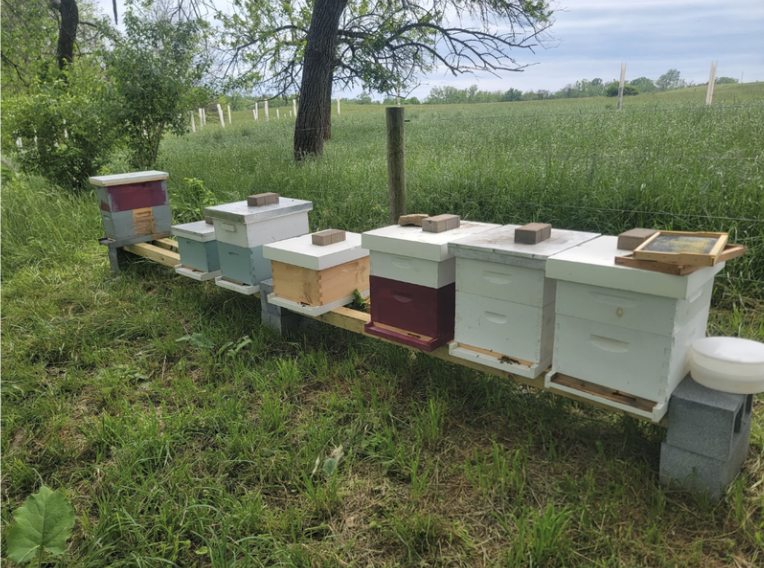
Tucked around the edges of the fields, safely away from the cattle, are fourteen humming beehives, with plans to grow to twenty. They’re easy to miss if you don’t know where to look. But their impact is everywhere.
These bees pollinate flowers, spread pollen between plants, and help create stronger, more diverse growth across the farm. Clovers, especially, benefit from their work and play an important role in no-till farming, improving soil health and feeding the land naturally.
In other words, the bees aren’t just making honey.
They’re helping the entire farm thrive.
👋 Meet the Beekeeper

John manages the hives here, along with several other local farms. During the season, his days are spent checking colonies, watching for swarms, and making sure the bees stay healthy and productive.
By late March, the bees begin waking up.
By mid-April, nectar starts flowing.
And from the middle of April through June, they store nearly 90% of their honey for the year.
Honey season means long days moving carefully between hives, inspecting frames, and paying close attention to what the bees need. It’s equal parts observation and respect.
As John puts it, “Bees are honest. If they sting you, they’re just telling you’re doing something wrong.”
👉 View John’s personal website here to learn more about his practices
🍯 What Makes Raw Honey Different
If you’ve only ever bought honey from a grocery store, you might be surprised how different truly raw honey is.
Most commercial honey is blended from unknown sources, heavily filtered, and pasteurized. You often don’t know where it came from or what’s been done to it.
John does things differently.
He only harvests honey once the comb is fully capped in white wax, meaning the bees themselves have finished it and sealed it. To him, that’s the bees’ stamp of approval.
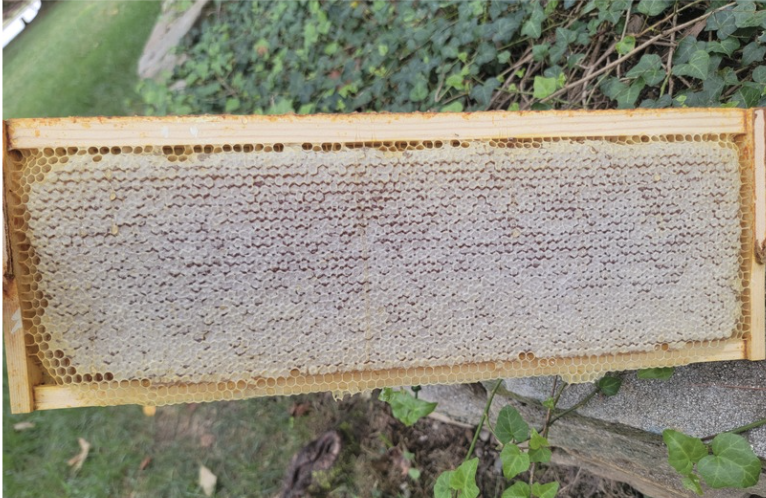
From there, the honey is simply strained through fine wire mesh. No additives. No pasteurization. Nothing removed that doesn’t need removing.
Just pure, local honey – exactly as the bees made it.
Because the hives live right here on the farm, every jar also directly supports the land and the people caring for it.
💭 A Few Things You Might Not Know About Bees
A single hive can hold tens of thousands of bees at peak season
During swarming season, half the colony may leave with the old queen to start fresh elsewhere
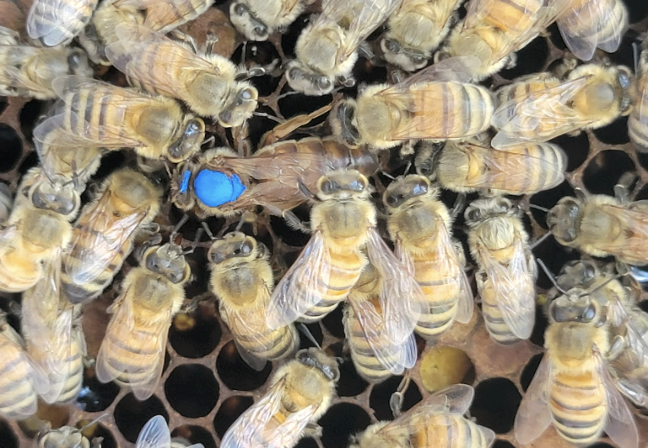
The queen is about 50% larger than the others – John marks her with blue so she’s easier to spot
🌾 More Than Honey
At the end of the day, the bees give more than just something sweet for your tea.
They strengthen pastures.They support soil health.They increase plant diversity.And they add another small, steady income stream back to the farm through local honey sales.
It’s one more example of how everything on a farm works together.
Healthy land supports healthy bees.Healthy bees support healthy plants.Healthy plants support healthy animals and families.
It all starts with a quiet hum in the background.
And if you ever spot a swarm of bees gathering on a tree or fence post this spring, don’t worry – and don’t spray them! Give John a call instead. He’s happy to safely collect the swarm and even thanks folks with a free jar of honey. You can reach him by calling 301-606-1956.